How to choose a contactor for a motor
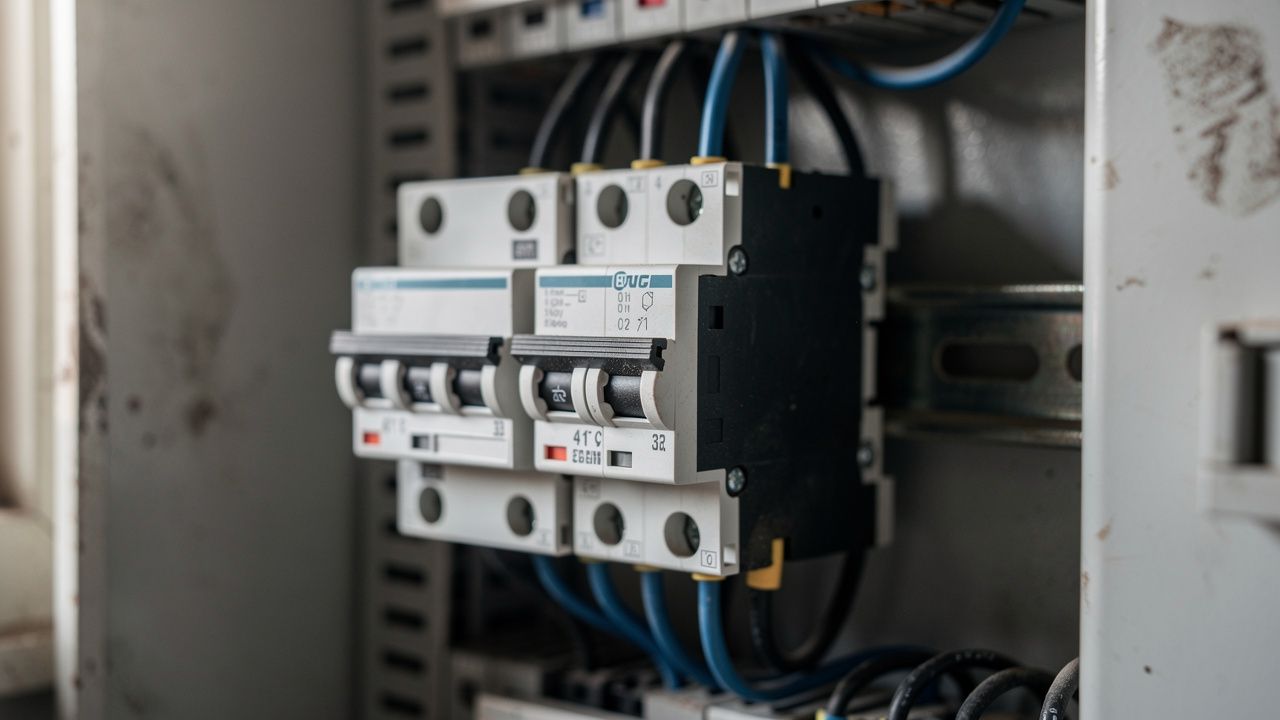
A contactor is a switch that a small control current turns on and off, so a button or a controller can start a big motor. Four things decide which one you need.
1. The motor’s power (AC-3)
Contactors for motors are chosen by their AC-3 rating, often printed in kW. At 400 V three-phase, as a rough guide:
- 9 A: up to 4 kW
- 12 A: 5.5 kW
- 18 A: 7.5 kW
- 25 A: 11 kW
- 32 A: 15 kW
For heaters (no motor), the AC-1 rating counts, and it is higher: the same contactor can switch more current.
2. The coil voltage
The coil must match your control circuit: usually 220 V AC, or 24 V DC in newer panels with a PLC. A wrong coil burns out, or the contactor does not pull in.
3. Extra (auxiliary) contacts
Small extra contacts tell the rest of the circuit “I am on”: for a hold-in circuit, a lamp, or the PLC. Count how many you need, normally open (NO) and normally closed (NC). You can add a block later if needed.
4. The overload relay
The contactor switches; it does not protect the motor. Add a thermal overload relay set to the current on the motor’s nameplate, or use a motor protection breaker instead.
For star-delta starting you need three contactors and a timer. Tell the seller the motor’s kW and current, and they will give you a matched set.